New Water Well Drilling in Harrisonburg & Rockingham County
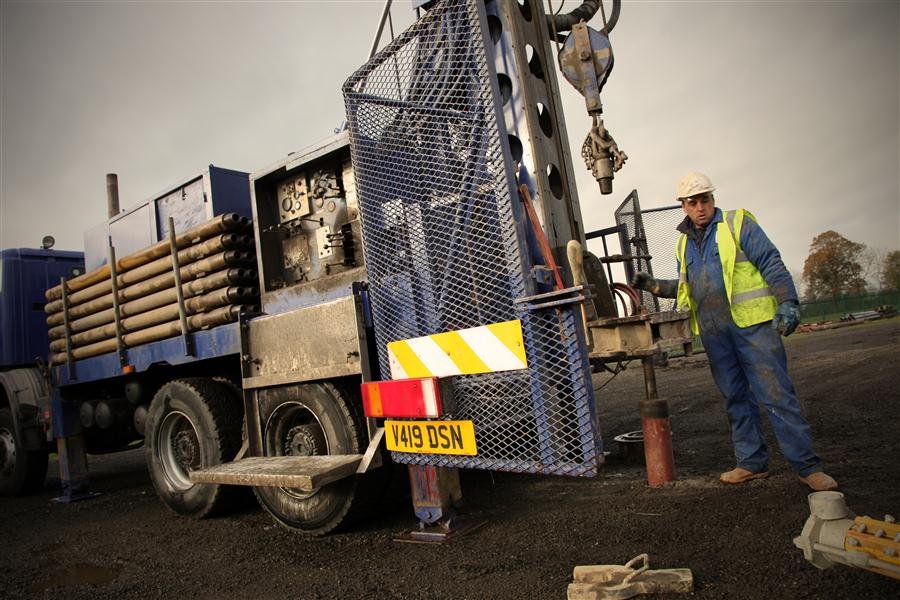
Whether you're building a home on land outside city water lines, buying rural property in Rockingham County, or replacing a well that's run dry, a new drilled well is a once-in-a-generation investment. Done right, it delivers clean water for decades with no monthly water bill. Here's how it works, what it costs, and what to expect.
Who Needs a New Well?
- New home construction on land without public water access
- An existing well that has gone dry, collapsed, or produces too little water
- An old hand-dug or bored well you want replaced with a modern drilled well
- Splitting a property or adding a home, barn, or irrigation supply
The Drilling Process, Step by Step
1. Permit. Virginia requires a permit for a new private well, issued through the local health department — for Harrisonburg and Rockingham County, that's the Central Shenandoah Health District. Your driller prepares and files the application.
2. Siting. The well has to sit a safe distance from septic systems, property lines, and other contamination sources. Virginia's setback rules and your lot layout decide the exact spot — an experienced local driller knows the terrain and the regulations.
3. Drilling and casing. A rotary rig drills through soil and rock until it reaches a water-bearing formation. Steel or PVC casing lines the hole, and the space around it is grouted to seal out surface water.
4. Pump and pressure system. A submersible pump is set in the well, wired, and connected to a pressure tank inside or near the home. Pump size is matched to your well's depth and yield and your household's demand.
5. Disinfection and testing. The finished well is disinfected and the water is tested before you drink it — bacteria testing at minimum, with a fuller panel recommended.
6. Final hookup. The water line is trenched to the house, the system is pressurized, and you're on well water.
What a New Well Costs in Rockingham County
Drilling is priced by the foot — typically $25–$65 per foot in Virginia — and wells in the Shenandoah Valley commonly run 100 to 400+ feet depending on where you are and the rock under it. Add casing, the pump, pressure tank, trenching, and electrical, and a complete residential system typically lands between $7,000 and $15,000, with full systems ranging from roughly $3,750 on the shallow end to well past $15,300 for deep or difficult wells.
The biggest cost drivers are depth, rock hardness, how far the well sits from the house, and the size of pump your home needs. Anyone quoting you a firm total over the phone without seeing the property is guessing — get a site visit and a written quote.
How Long Does It Take?
Permitting usually takes days to a couple of weeks. The drilling itself is often one to three days on site. From first call to water running in the house, most projects finish within a few weeks, depending on the driller's schedule.
Rockingham County Geology, In Plain English
The valley floor is largely limestone, which can produce strong wells — but limestone is unpredictable, with water moving through cracks and channels. The ridges and foothills are shale and sandstone, where yields are usually steadier but more modest. Local drillers who work this ground every week know which formations to expect on your side of the county, and that experience shows up in the final depth — and the final bill.